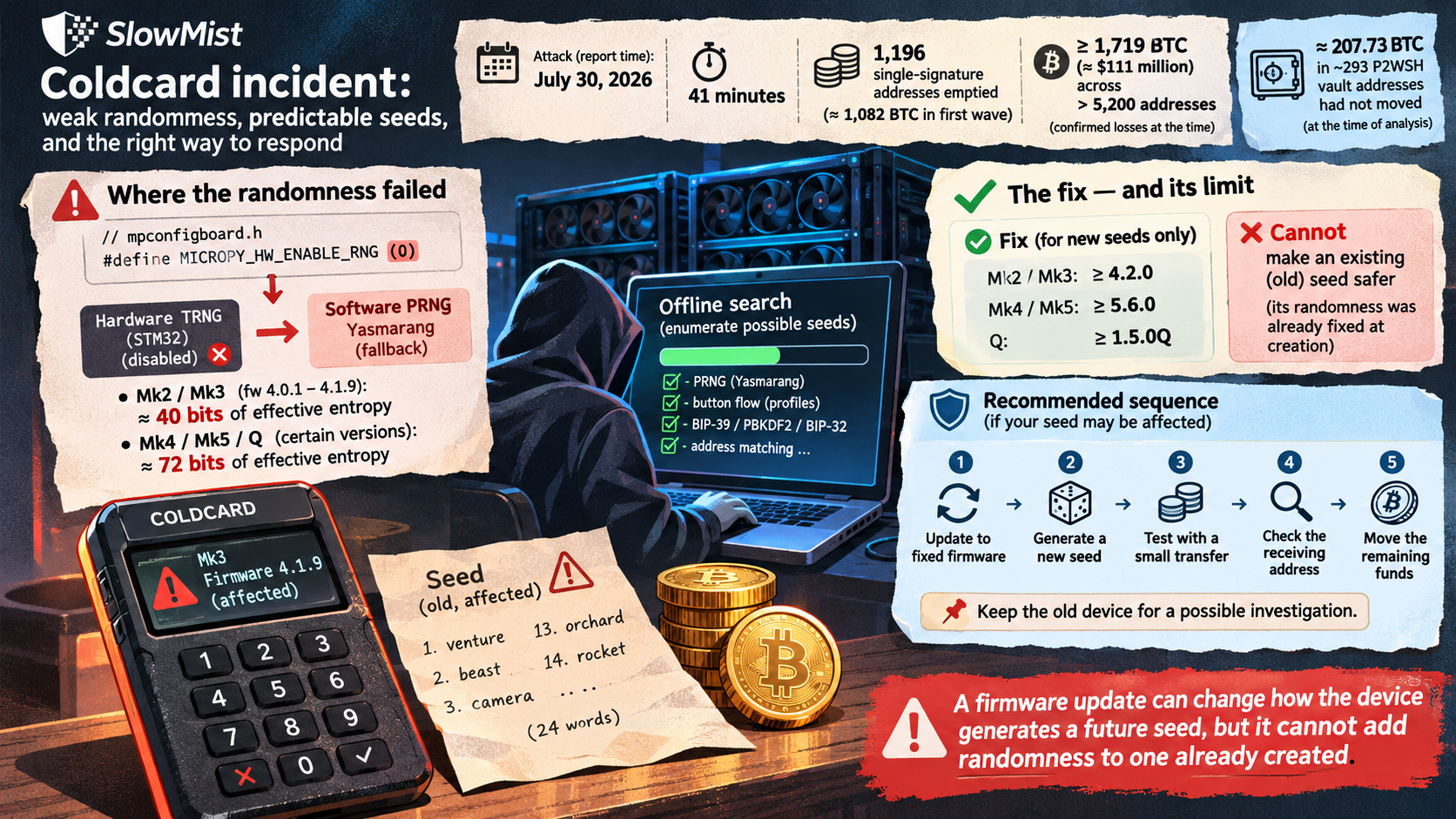
If a wallet seed was generated with weak randomness, updating the device does not make that seed safer. That is the central custody concern in SlowMist’s August 11, 2026 report on affected Coldcard wallets: the fix applies to newly generated seeds, while funds held under an affected old seed need to be moved.
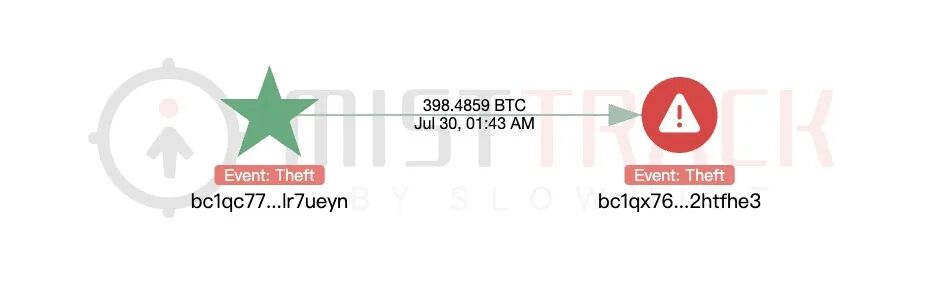
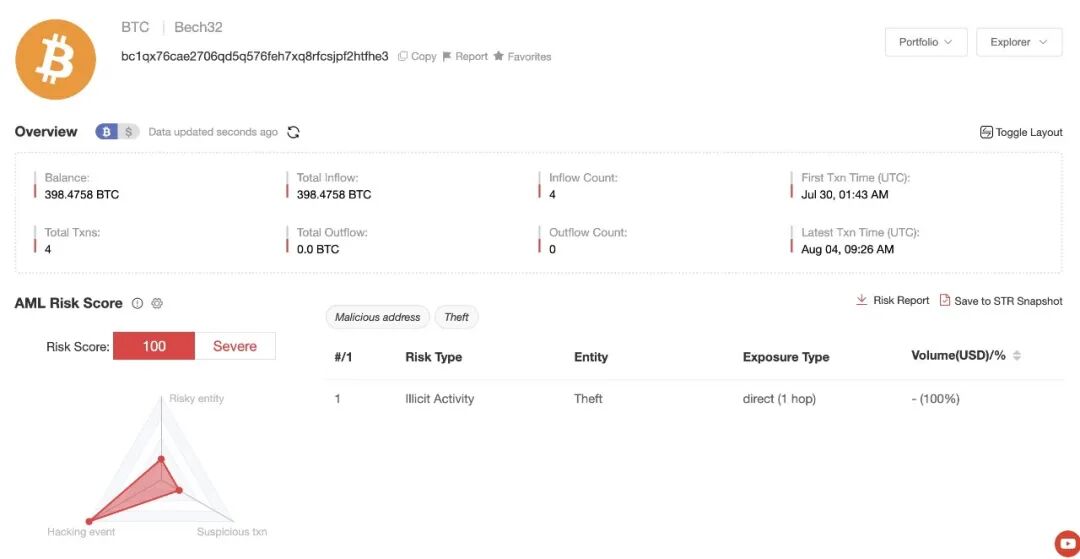
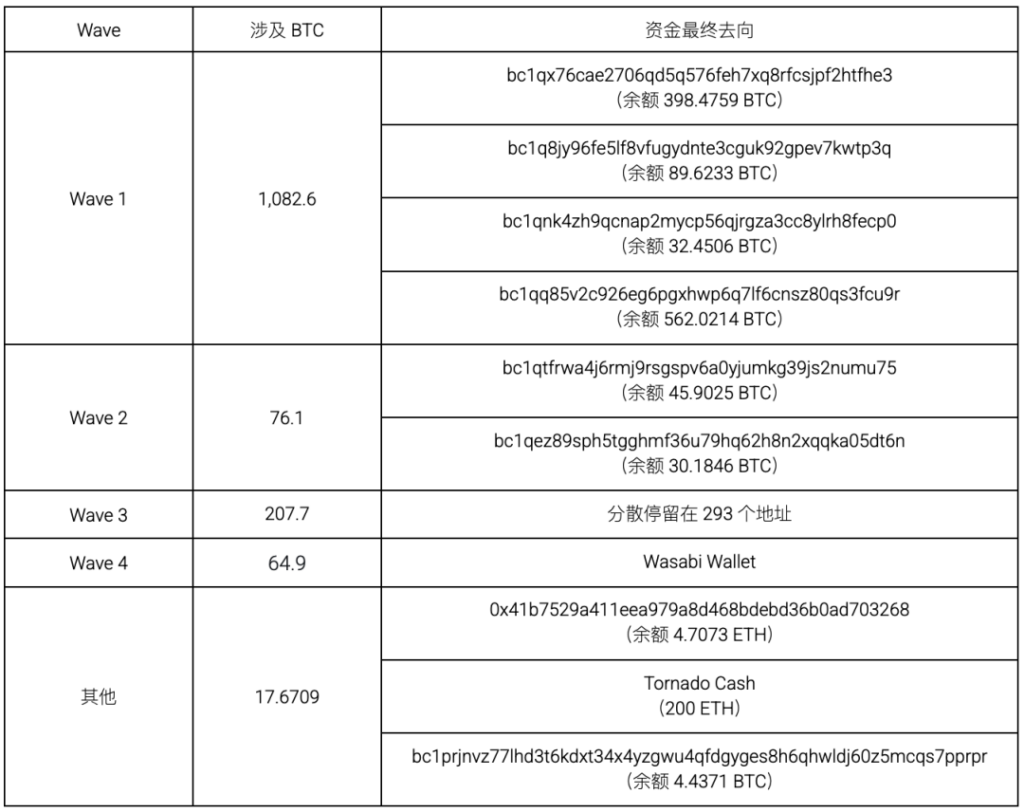
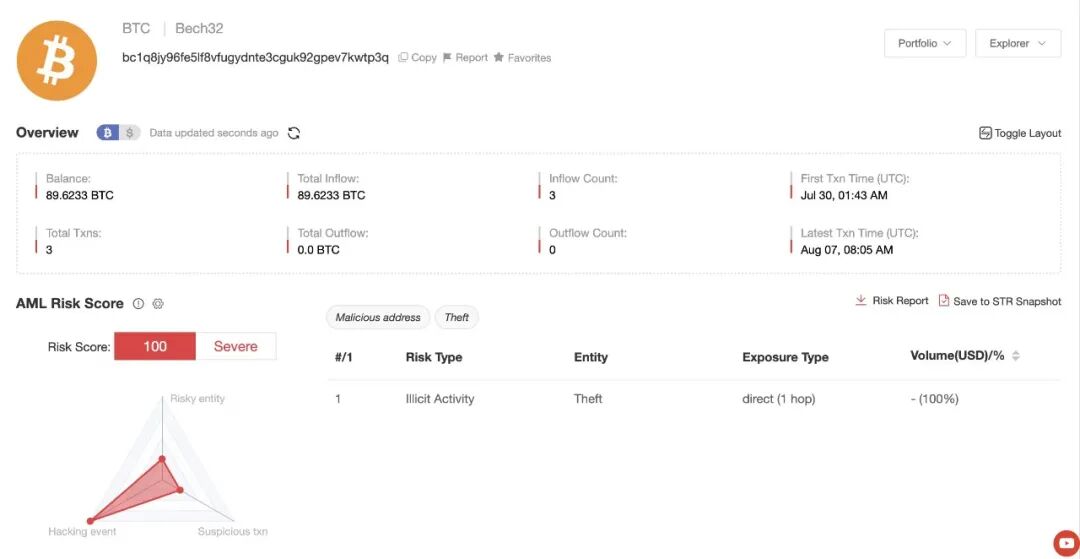
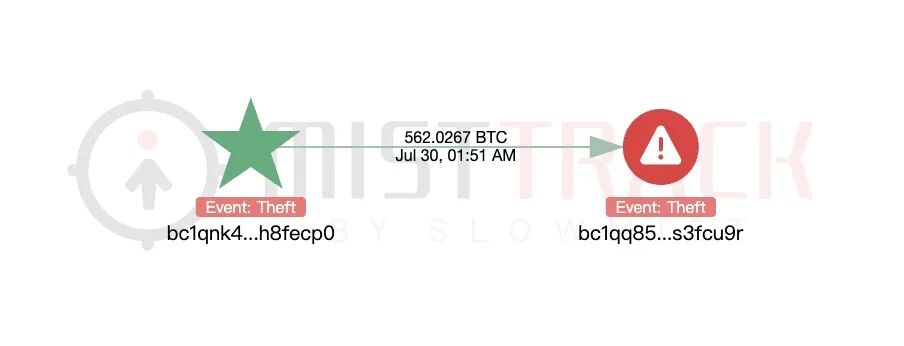
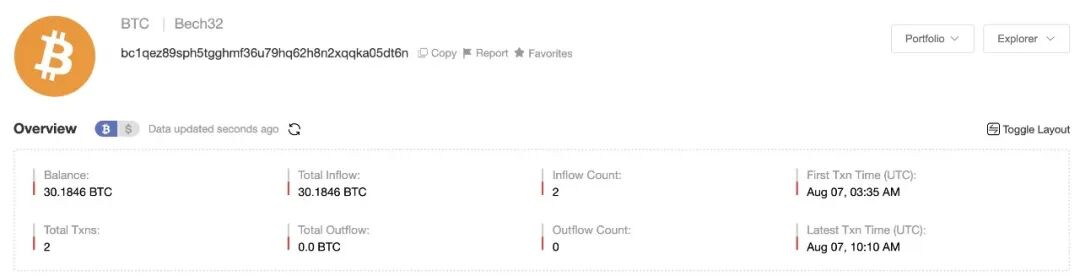
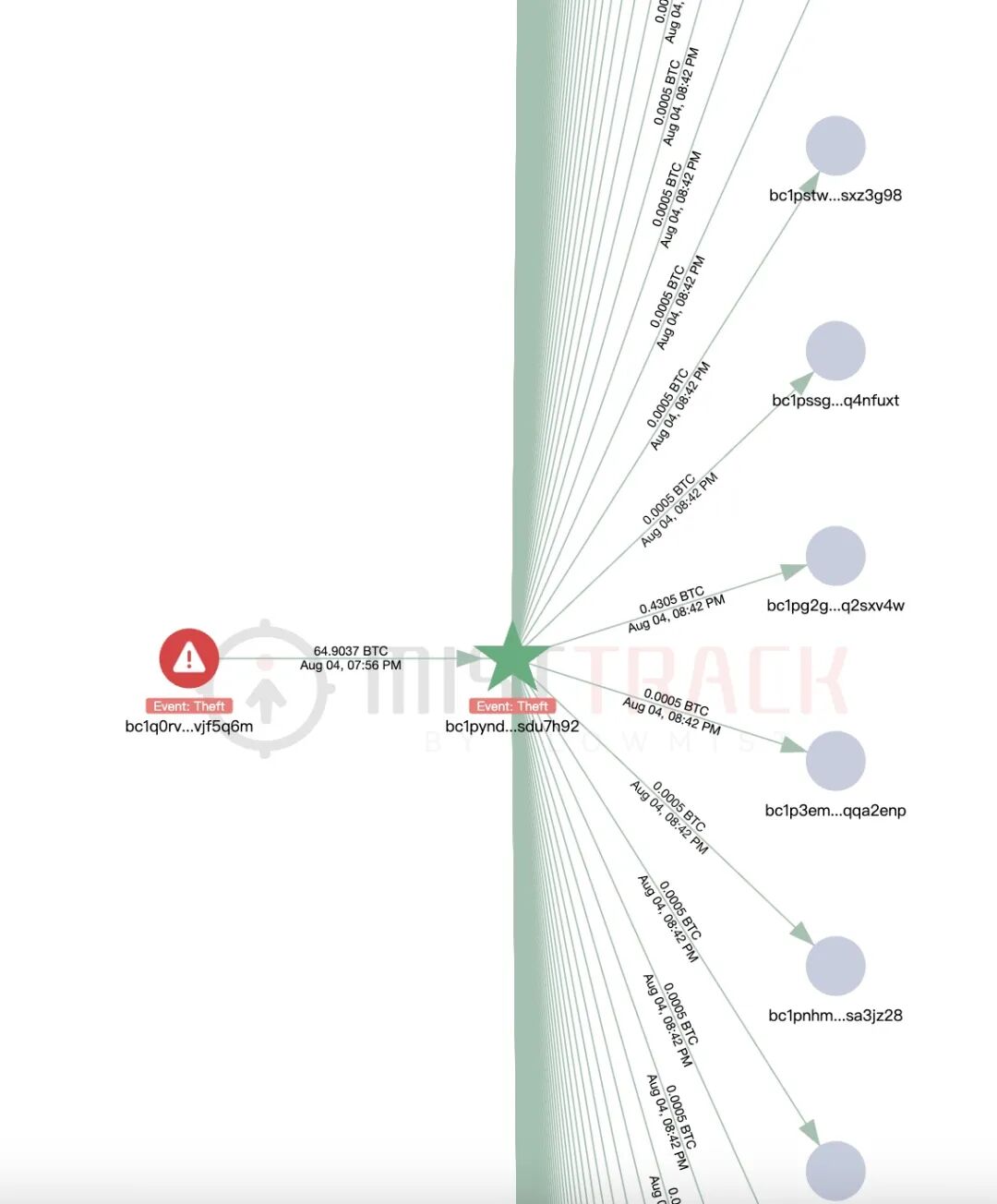
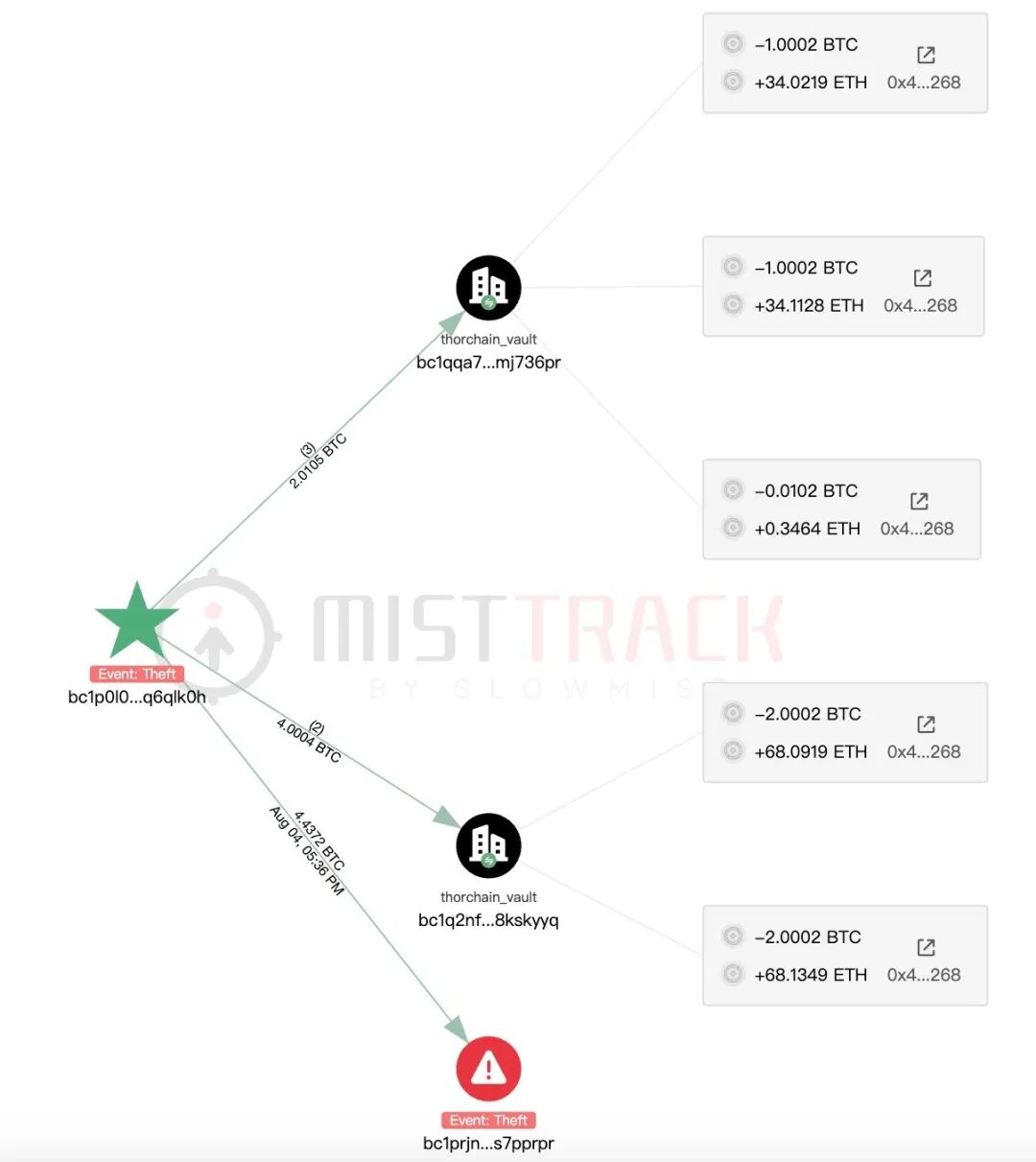
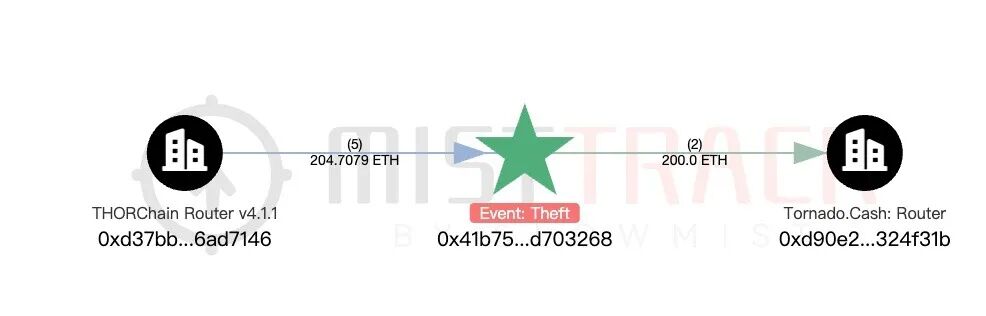
SlowMist reported that, on July 30, 2026, 1,196 single-signature addresses were emptied over 41 minutes, with about 1,082 BTC taken in that first wave. By early August, it put confirmed losses at at least 1,719 BTC, worth about $111 million, across more than 5,200 affected addresses. Those figures describe the report’s findings at the time, not a current loss total.
Where the trust boundary failed
According to SlowMist’s analysis of Mk3 firmware 4.1.9, Coldcard’s build configuration disabled MicroPython’s hardware random-number support. A separate library then called a random-number function as though it supplied hardware randomness, but the disabled configuration caused that function to use a software fallback instead. SlowMist said the fallback’s initial state was largely predictable, leaving roughly 40 bits of effective entropy on affected Mk2 and Mk3 firmware versions 4.0.1 through 4.1.9. It reported roughly 72 bits on certain Mk4, Mk5 and Q firmware versions.
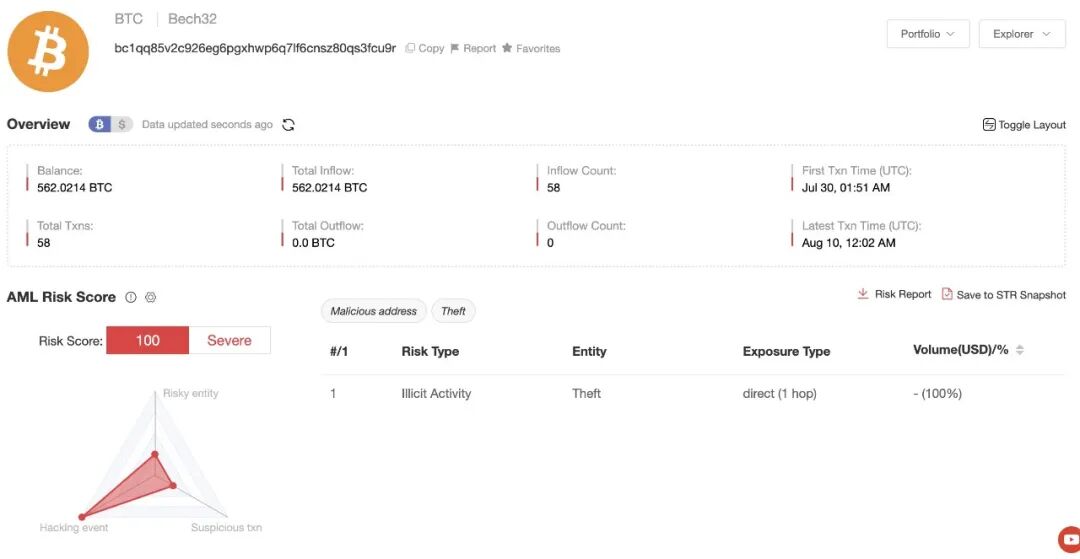
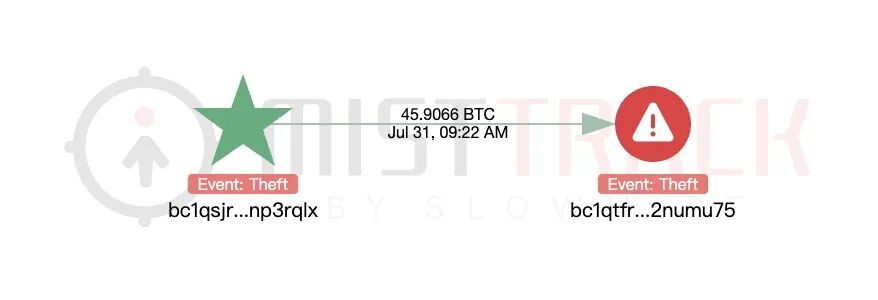
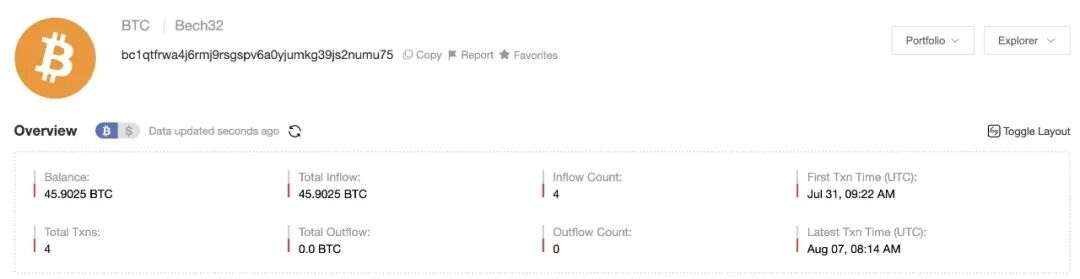
SlowMist’s explanation is that an attacker could search possible seeds offline and derive the corresponding addresses without touching the devices. Its analysis also described wallets that had been inactive for months or years. The report said the affected seeds were generated without additional dice entropy or a BIP-39 passphrase; it did not establish that every Coldcard seed was affected.
What the reported fix does—and does not do
SlowMist said Coinkite issued a warning on July 30 and released corrective firmware the next day. The versions it identified were 4.2.0 or later for Mk2 and Mk3, 5.6.0 or later for Mk4 and Mk5, and 1.5.0Q or later for Q. It also reported that Coinkite destroyed stock running vulnerable versions and paused shipments.
For someone concerned that their seed was generated under an affected version, SlowMist’s recommended sequence was to update to fixed firmware, generate a new seed, test with a small transfer, check the receiving address, and then move the remaining funds. It advised retaining the old device for a possible investigation. The distinction matters: a firmware patch can change how a device generates a future seed, but it cannot add randomness to one already created.
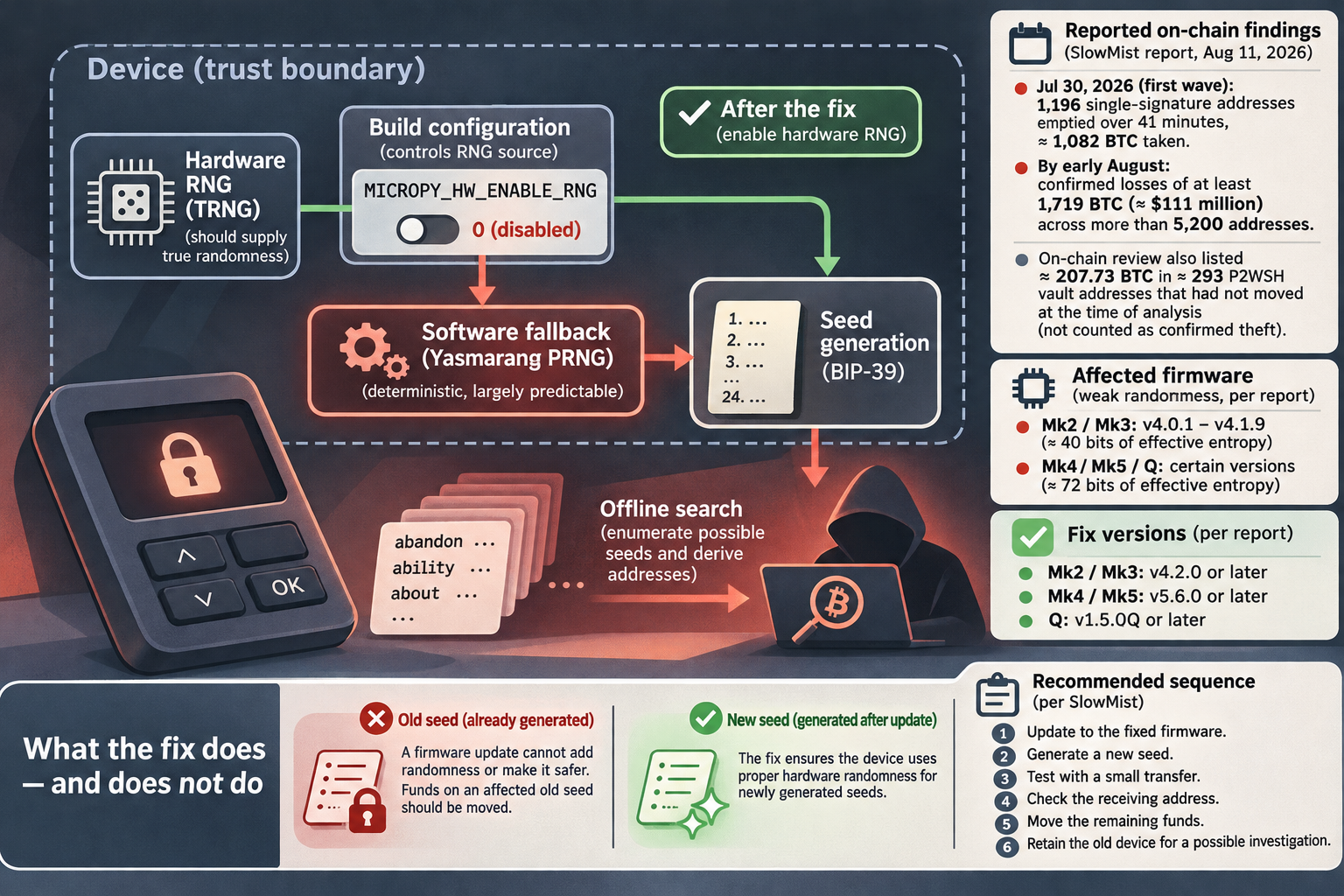
SlowMist’s on-chain review also listed about 207.73 BTC in roughly 293 P2WSH vault addresses whose funds had not moved at the time of its analysis. Those observed, unspent funds should not be counted as confirmed theft.