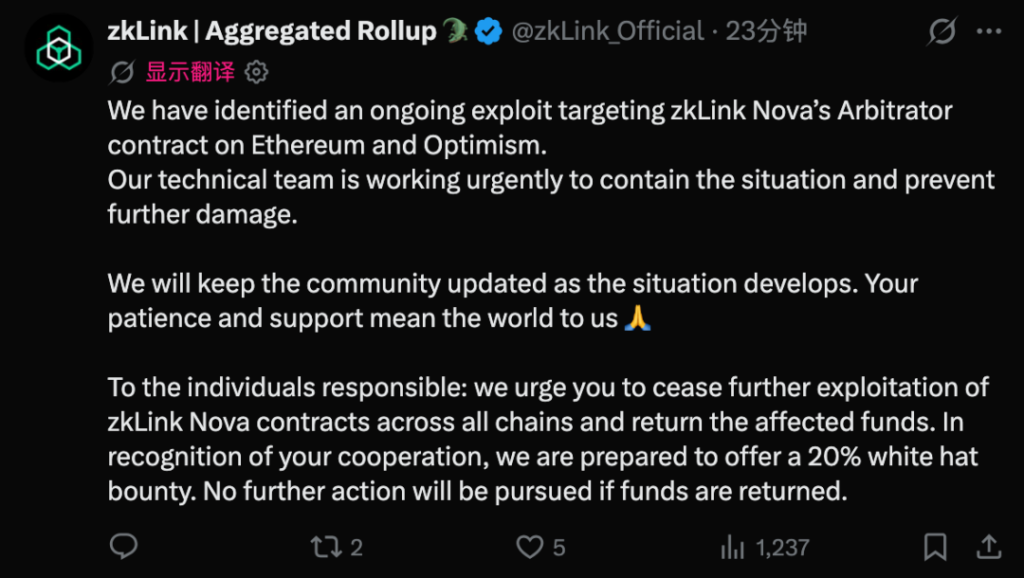
For anyone relying on a bridge to hold or move assets, the key question in this case is whether a valid-looking withdrawal proof was anchored to a genuine batch root. In an analysis published on October 30, 2026, SlowMist reported that zkLink had been attacked on October 29, with an estimated loss of $783,000. Its analysis says the attacker placed a fabricated batch root in zkLink’s Ethereum contract, then used that root to support withdrawals.
What the withdrawal check trusted
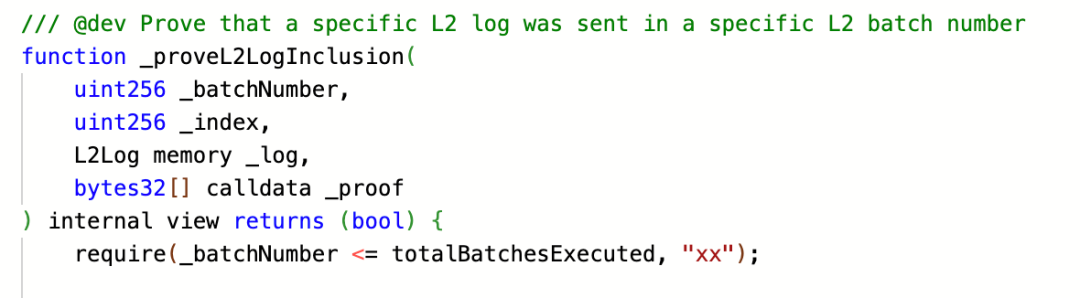
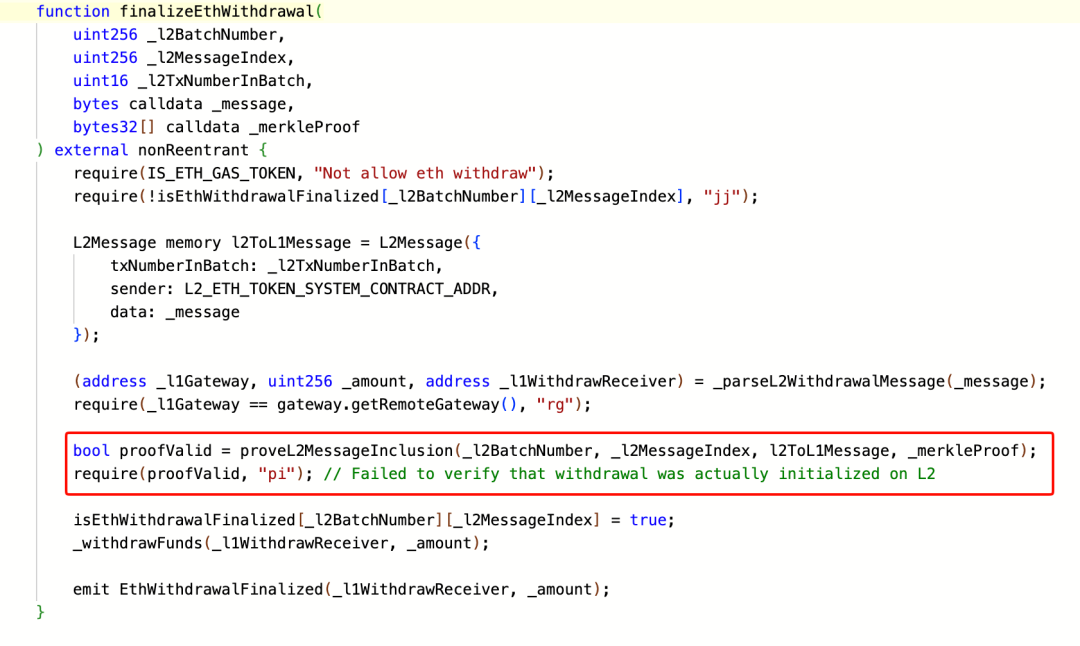
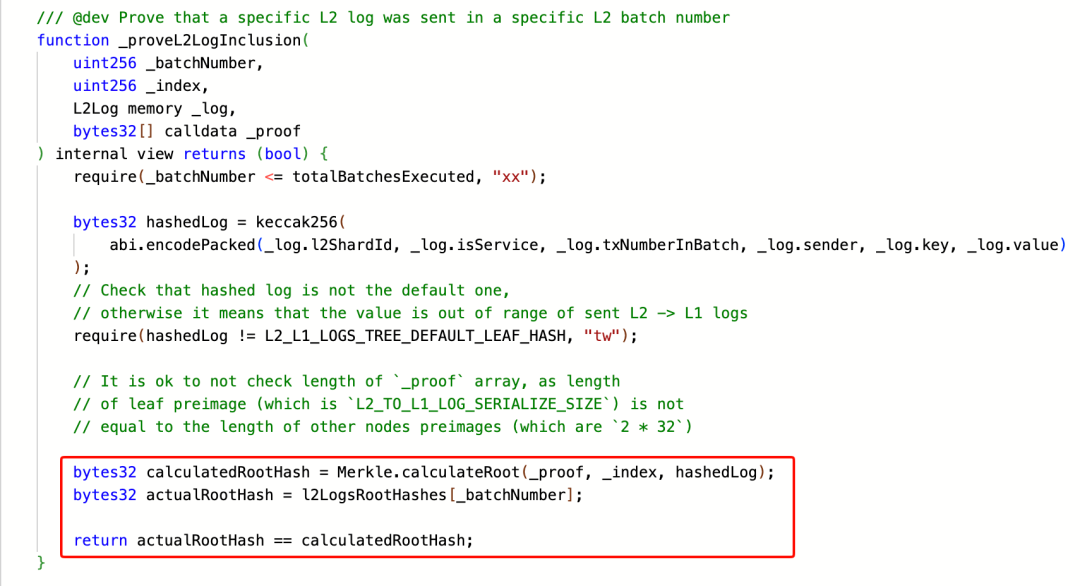
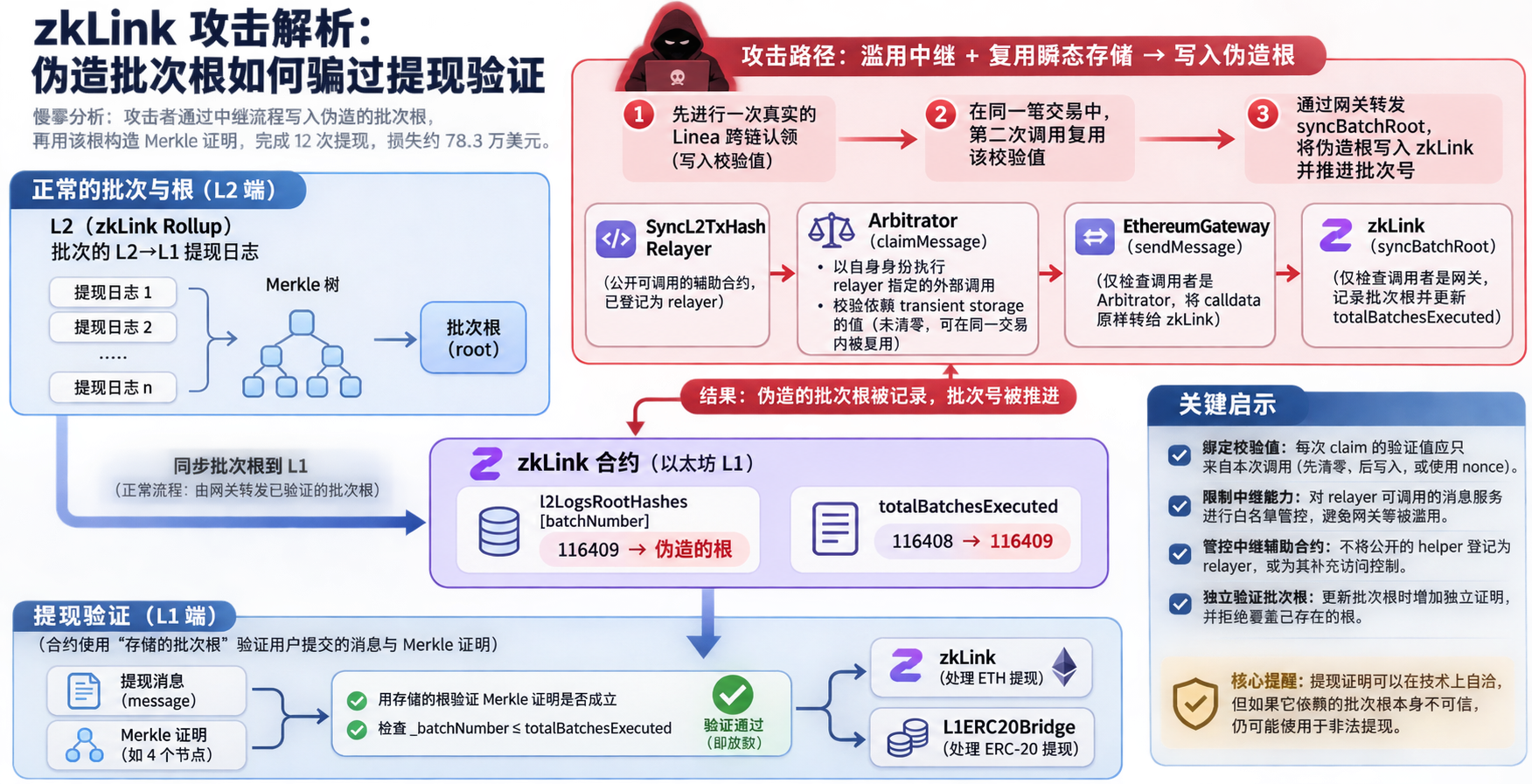
zkLink records the root of each batch’s L2-to-L1 withdrawal logs in its Ethereum contract. A user withdrawing on L1 supplies a message and a Merkle proof against that stored root. The contract also checks that the batch number does not exceed totalBatchesExecuted.
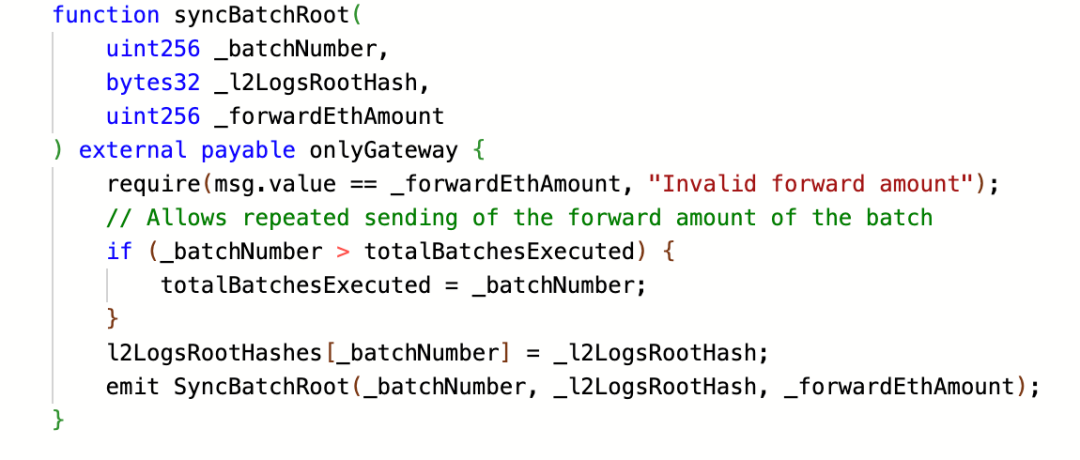
According to SlowMist, the attacker caused the contract to record a fabricated root for batch 116409 and advance totalBatchesExecuted from 116408 to 116409. Once the root was accepted, proofs constructed for messages under that root could pass the withdrawal check—even though, SlowMist says, those messages had not occurred on L2.

How the root was written
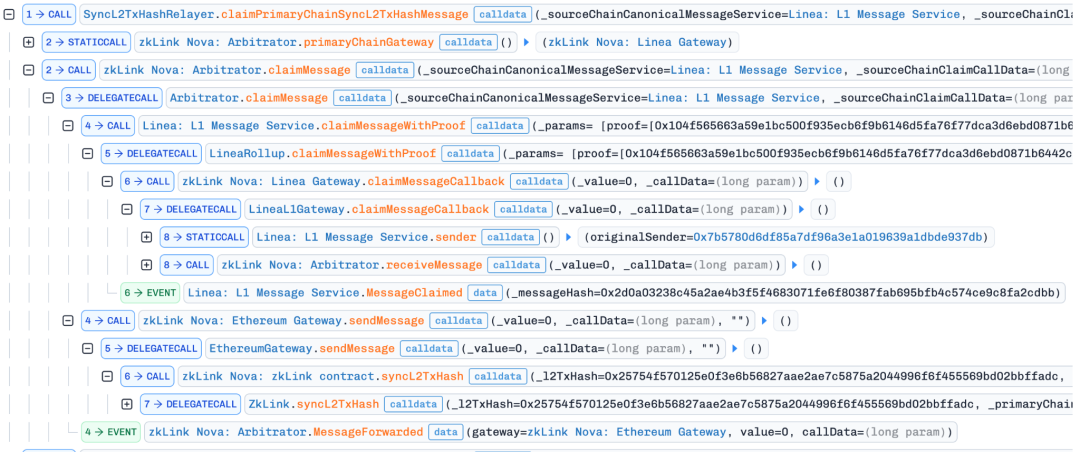
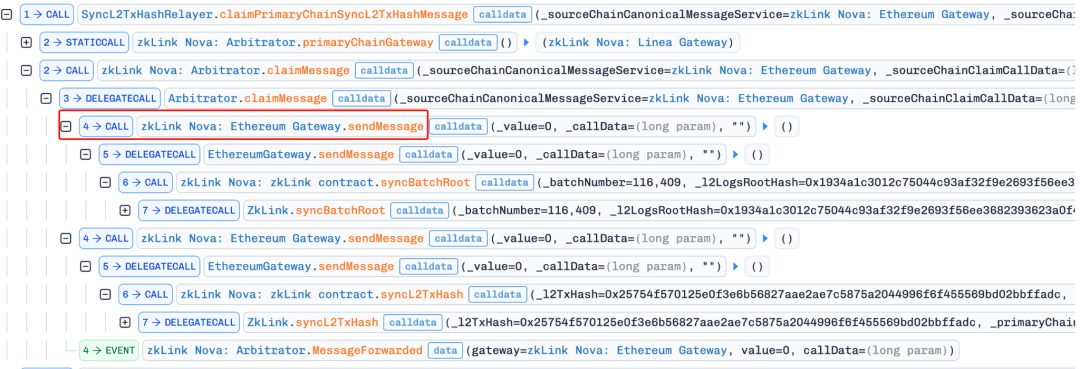
SlowMist traced the entry point to SyncL2TxHashRelayer, whose public claimPrimaryChainSyncL2TxHashMessage function forwarded caller-supplied parameters to Arbitrator.claimMessage. The helper was registered as a relayer, allowing callers to reach a function otherwise restricted to relayers.

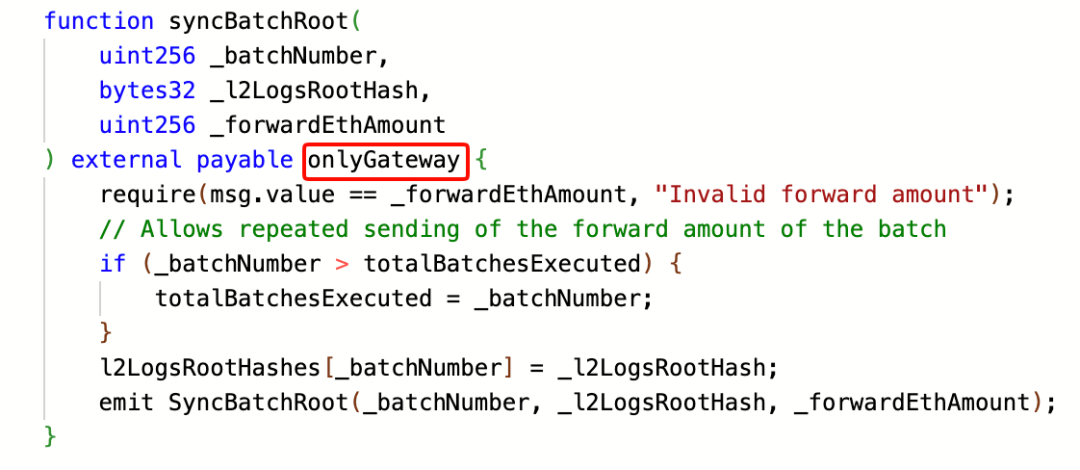
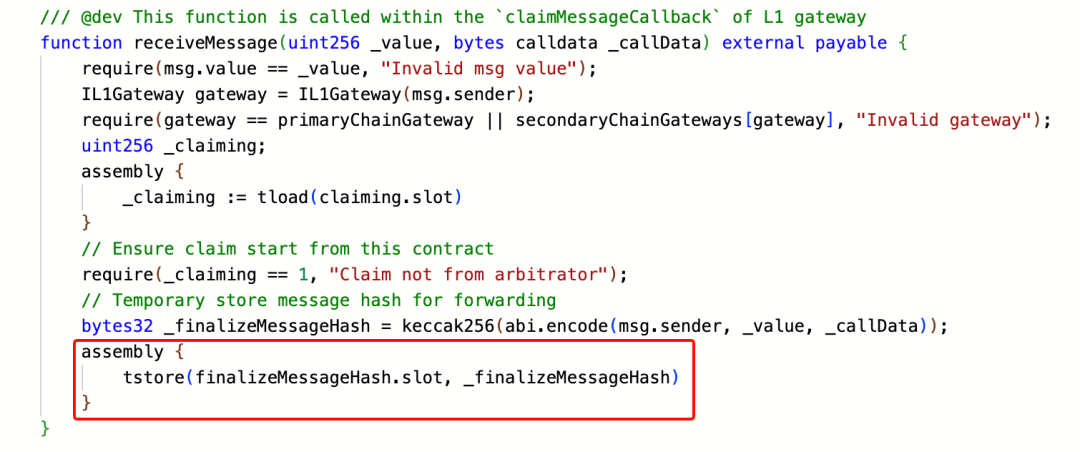
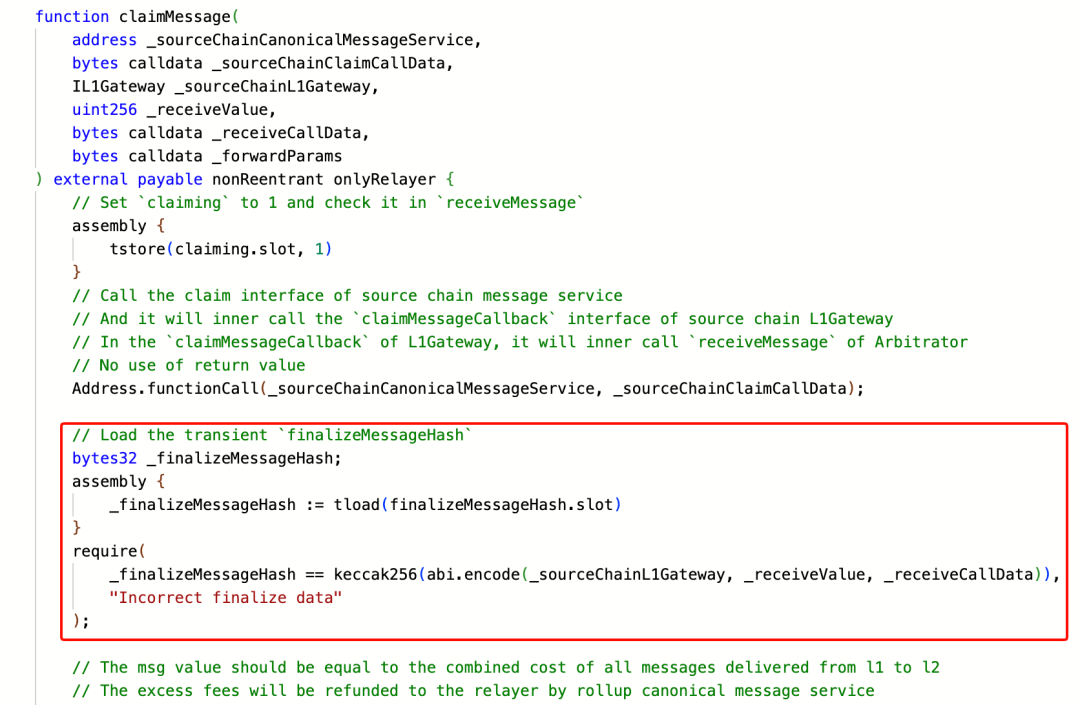
The attacker first used that route to claim a genuine Linea-to-Ethereum message. During the claim, a callback wrote a matching message hash into transient storage, which persists across calls within the same transaction. The attacker then made a second call through the helper, this time specifying EthereumGateway and a call that would forward syncBatchRoot to zkLink. SlowMist says no message was actually claimed in that second call: claimMessage reused the hash left by the first because it neither cleared the stored value nor required a fresh callback for each claim.
The gateway accepted the call because it came from Arbitrator; zkLink accepted the forwarded root update because it came from its gateway. SlowMist’s analysis says neither step independently verified that the proposed batch root came from a genuine L2 batch.
Withdrawals and the defensive lesson
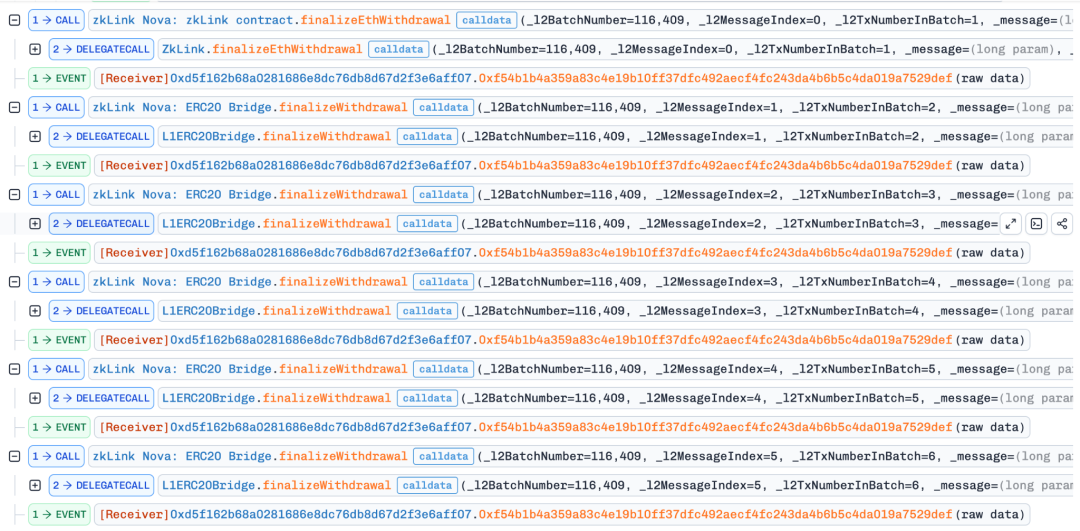
SlowMist identified 12 withdrawal calls against batch 116409: one for ETH and 11 for ERC-20 tokens. It says each carried a four-node Merkle proof built against the fabricated root. The ETH withdrawal was handled by zkLink, while the ERC-20 withdrawals were handled by L1ERC20Bridge. Marking a message as already withdrawn could prevent its reuse, but could not establish that the message had originated on L2.
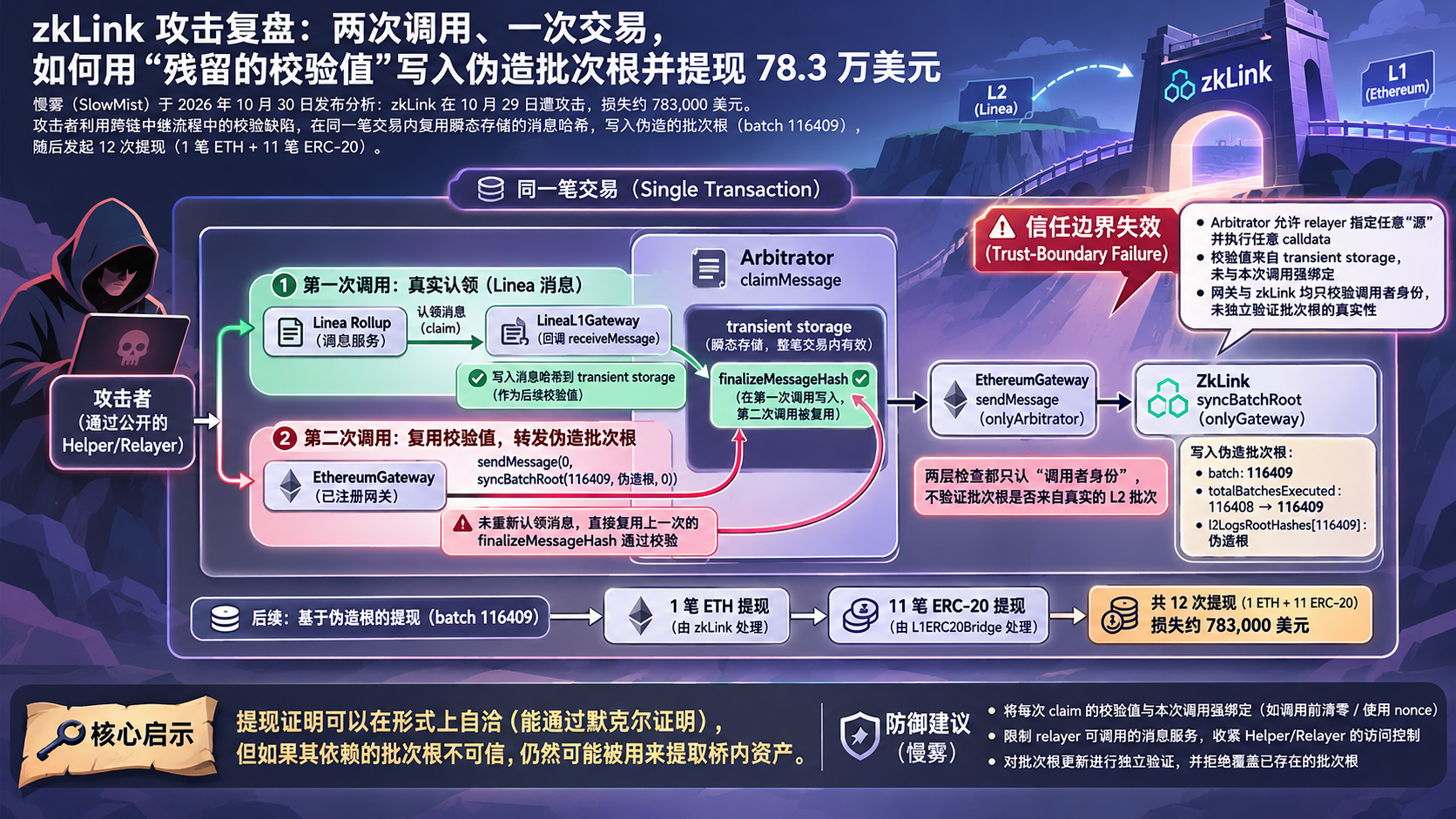
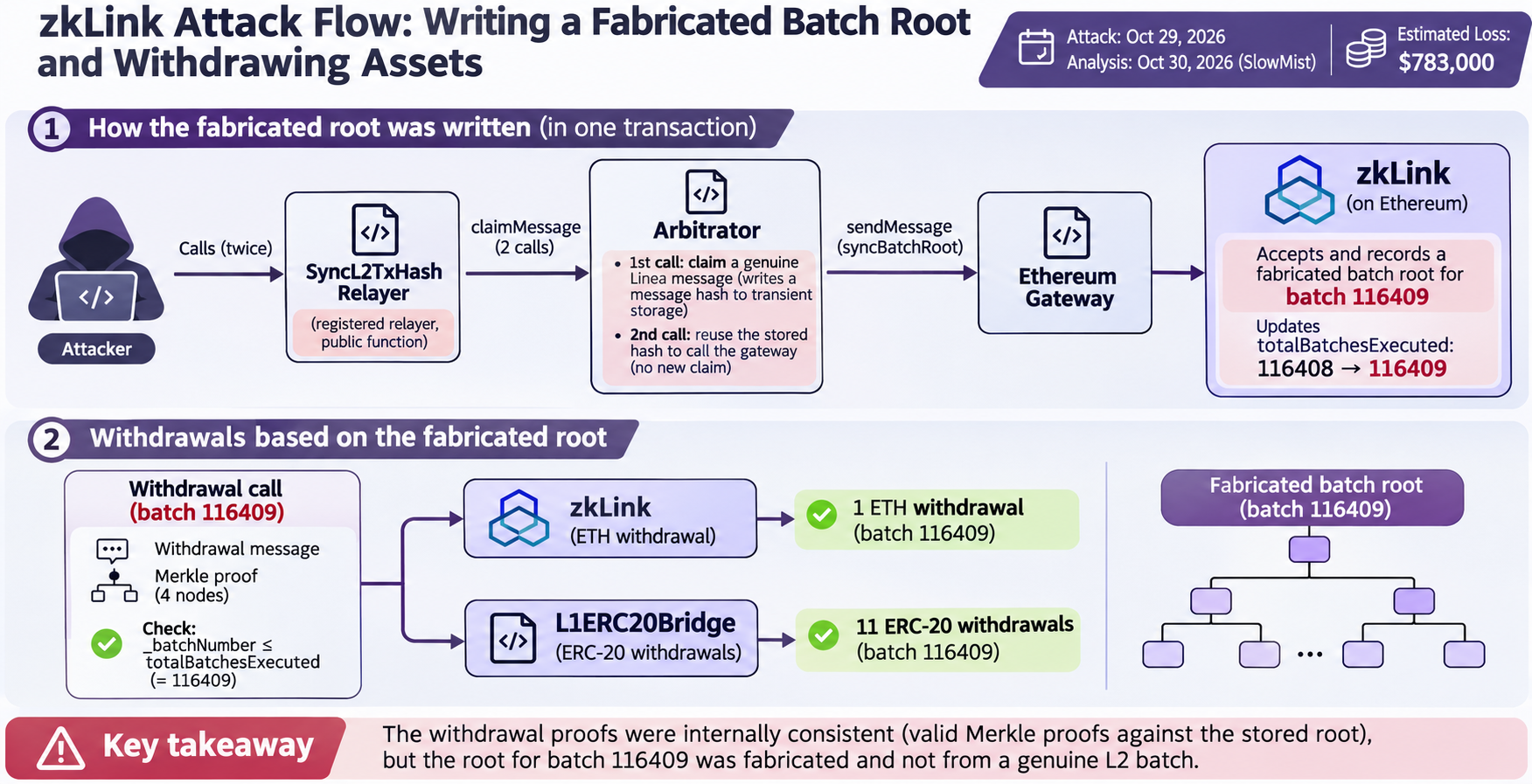
SlowMist recommended binding each claim’s verification value to that specific call, restricting which message services a relayer can invoke, controlling access to relayer helpers, and independently validating batch-root updates. For a long-term holder, this incident illustrates a custody distinction: a withdrawal proof can be internally consistent while the root it relies on is not trustworthy. It does not, by itself, establish that an individual wallet’s backup or private keys were compromised.