For institutions deciding where to hold crypto while they trade, the question is whether assets need to sit on an exchange at all. In an interview reported by Cointelegraph on November 17, 2026, Joshua Lim, FalconX’s global head of markets, said the October 29 Binance hack could make institutions more cautious and accelerate a move toward keeping assets with separate custody providers. He described that shift as a possible major trend in 2027, not an established outcome.
Blockchain analytics firm Chainalysis attributed the theft of about $6.4 billion in cryptocurrency from Binance to North Korean-linked hackers and called it the largest crypto theft on record. Lim said the incident could weigh on institutional participation even though traders initially played down its significance.
Trading without leaving assets on an exchange
Lim pointed to Copper’s ClearLoop service, which lets investors trade on supported exchanges while keeping their crypto with a separate company. Copper said collateral protected by ClearLoop supported more than $240 billion in perpetual-futures trading volume in the first quarter of 2026, more than twice the volume a year earlier.
Lim also described a brokerage arrangement in which a hedge fund places trades through FalconX, which executes them through its own exchange accounts and relationships. Neither arrangement removes custody or settlement risk: investors still depend on the firms holding their assets and carrying out their trades.
The move away from transferring assets for every trade was discussed before the hack. In an October proposal, the US Securities and Exchange Commission said industry practices were developing that reduced the need to move certain client and fund crypto assets out of permitted custody for trading. That was a proposal, not a rule established by the article.

What the withdrawal data can—and cannot—show
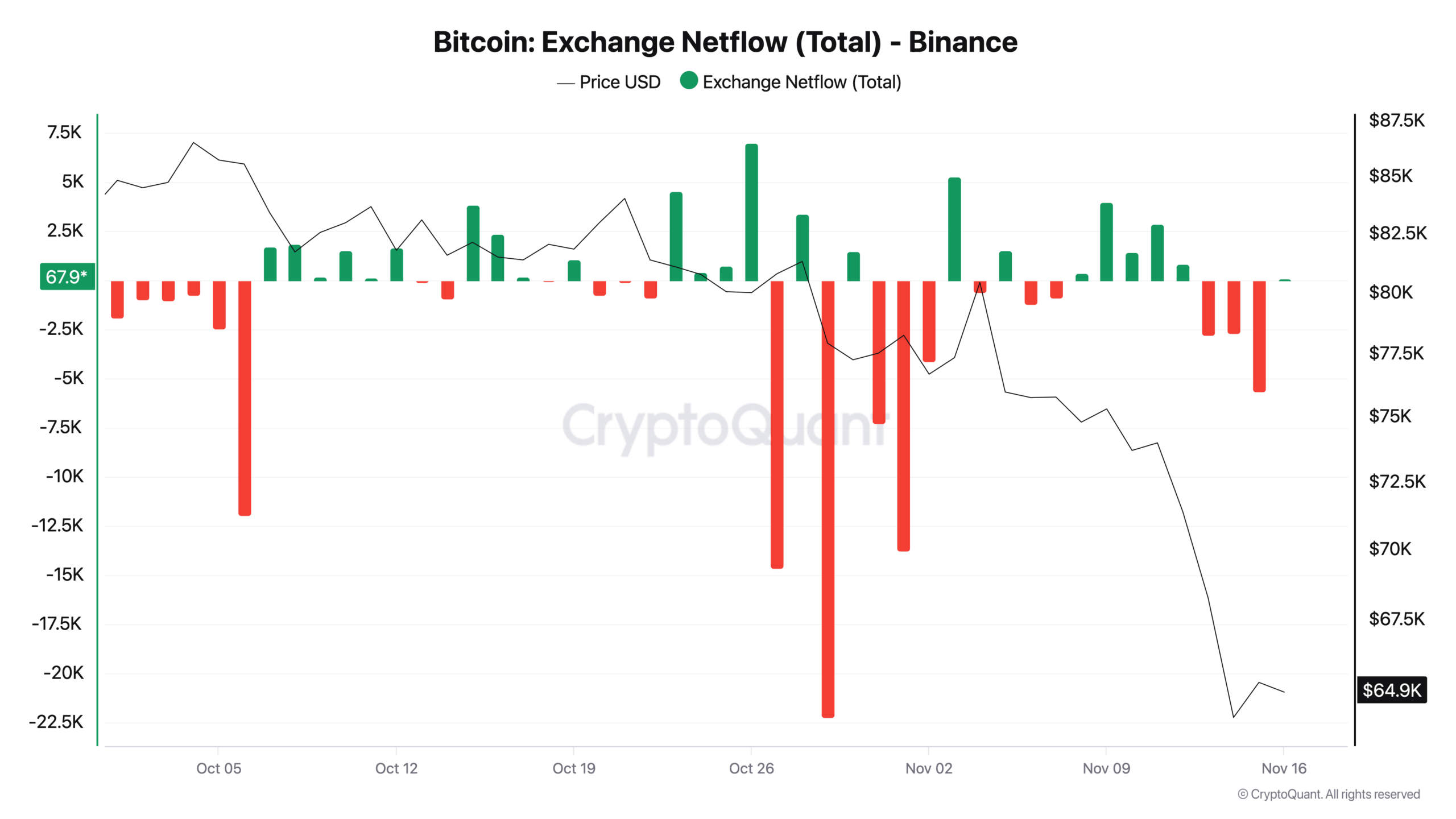
CryptoQuant data showed Binance net Bitcoin withdrawals of about 2,771 BTC on Friday, November 13; 2,708 BTC on Saturday, November 14; and 5,636 BTC on Sunday, November 15—a combined 11,115 BTC over three days. The data does not identify who moved the coins, where they went or whether the withdrawals were connected to the hack. Possible destinations included personal wallets, custody companies and other exchanges.
For anyone weighing a custody arrangement, the distinction is practical: keeping assets off an exchange changes which firms hold them, but it does not eliminate the need to assess access, custody and settlement risks.
Source: cointelegraph.com (originally published 2026-11-17 06:19 UTC+8)