A private key can be well protected while the systems around it remain vulnerable. For anyone holding crypto over the long term, the practical question is not only where a key is stored, but who—or what—can authorize a transaction and whether a device can be trusted when it reaches its owner.
This article reflects reporting published on November 13, 2026, at 19:55 (UTC+8). The incidents and responses below are described as they stood at that time.
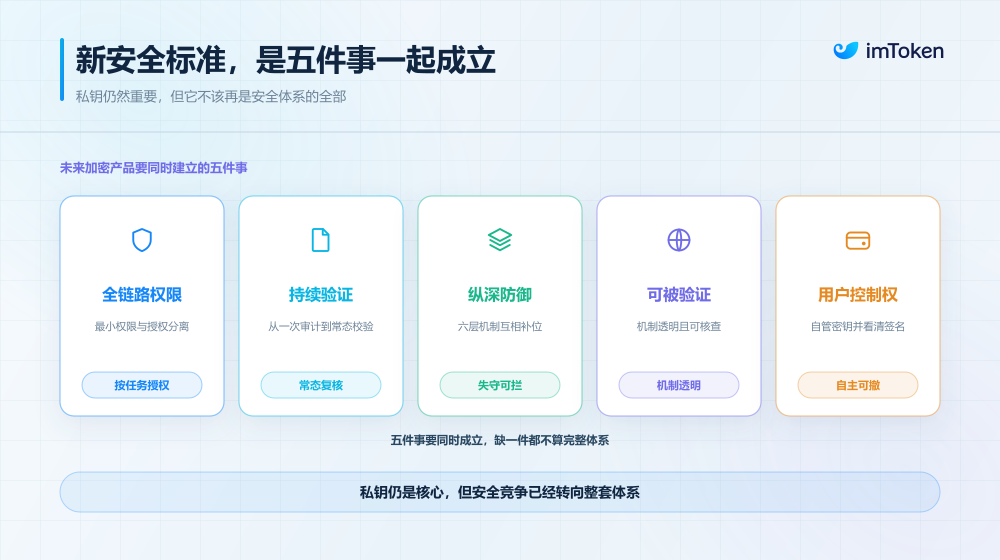
Signing permissions are a separate line of defense
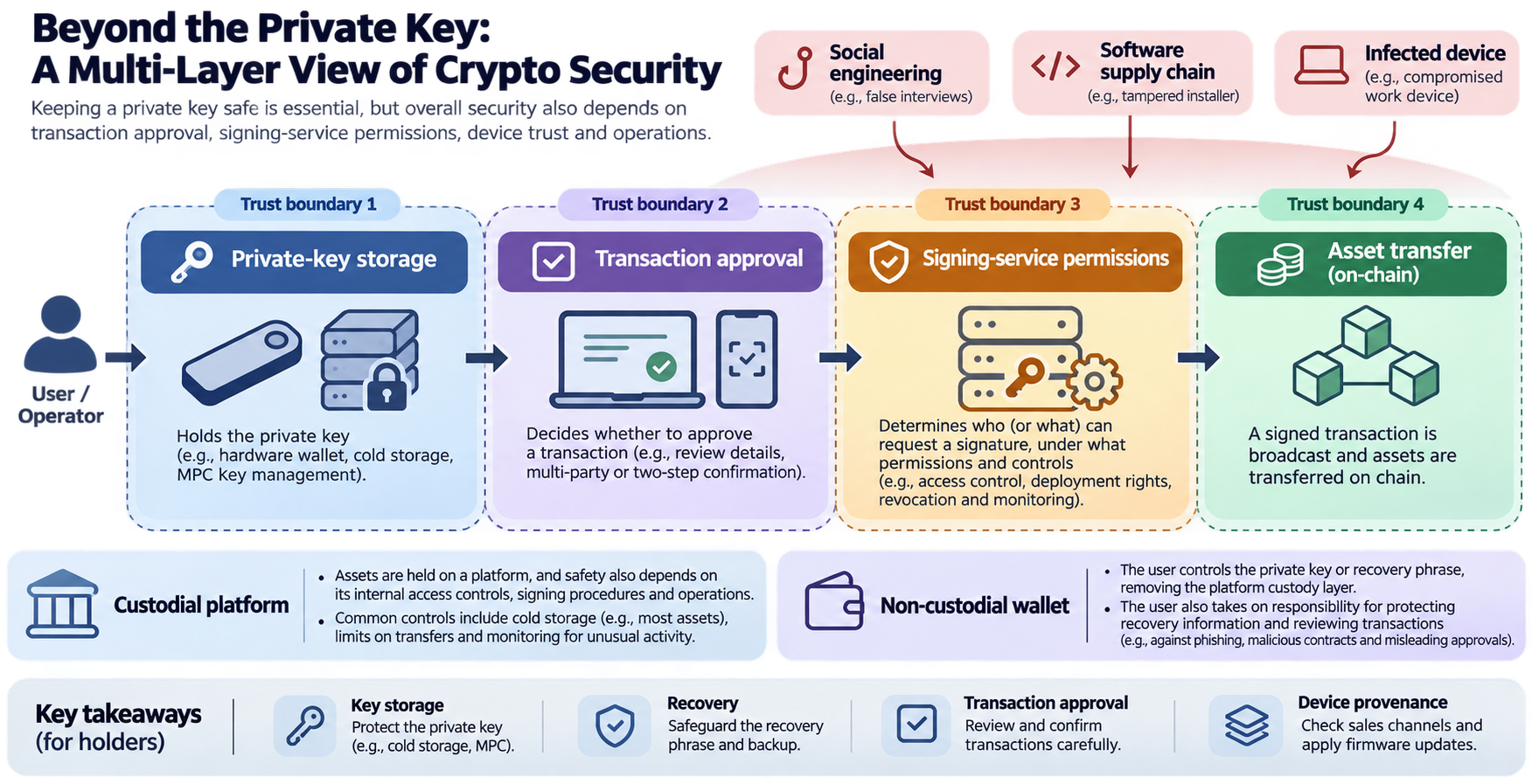
According to Binance’s preliminary investigation, attackers used a tampered software installer, a false job interview and malicious code to enter its wallet development team’s working environment. Over several months, they used an infected employee device and internal AI tools to obtain credentials with container-deployment permissions, eventually reaching a wallet signing service and initiating unauthorized on-chain transactions.
The account illustrates a distinction: protecting a private key does not, by itself, protect every path to an authorized signing service. Multi-party computation (MPC) can distribute key control, but it does not automatically determine who may request a signature or how improper permissions are revoked.
Following the incident, Binance said it rebuilt affected wallet systems and internal AI tools in a new environment, replaced relevant employee devices and disabled affected credentials and access tokens. It also strengthened risk controls and anomaly detection, and planned an independent security review.
In a November 4 description of its own safeguards, Coinbase said more than 99% of customer assets were in cold storage. It also described distributed key protection, limits on transfers between hot and cold wallets, and monitoring for unusual activity. These are platform-reported controls, not a guarantee that custody risk has been eliminated.
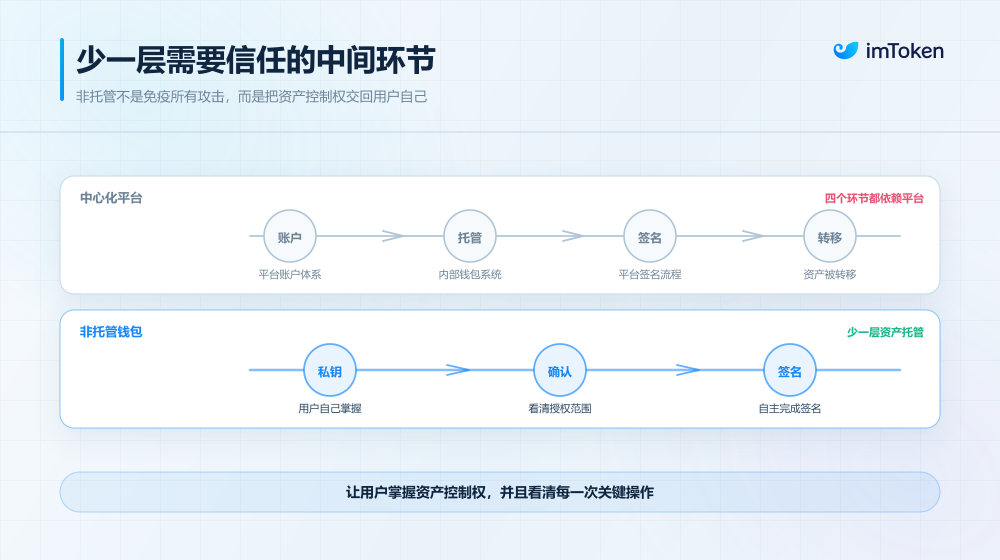
A hardware wallet also has a supply chain
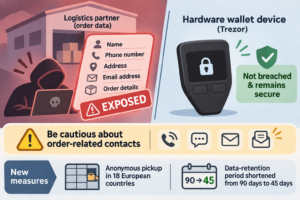
The source reports that Ledger’s chips, operating system and servers were not breached in the device incident it discusses. The concern was instead the distribution stage, after devices left the manufacturer’s control. Ledger subsequently required relevant authorized sellers and distributors to pause sales in Southeast Asia and Hong Kong and inspect devices and inventory. It also said returned devices should not be resold, even if their packaging appeared intact.
On November 12, Trezor said its investigation had confirmed hardware implants in three Trezor Safe 5 devices sold through the affected dealer, CryptoBilis. Trezor said it had reduced its authorized dealer network by about 80% and tightened requirements for remaining partners. Its November 11 firmware release, version 2.13.1, added a measure intended to prevent the identified implant module from reading screen information.
For a holder, the supported takeaway is to check a device’s sales channel and available firmware updates—not to assume that a hardware wallet removes every risk between manufacture and use.
Keep custody choices and their limits clear
The article describes a further distinction between custodial platforms and non-custodial wallets. On a platform, asset safety also depends on its internal access controls, signing procedures and operations. With a non-custodial wallet, the user controls the private key or recovery phrase, removing that platform custody layer but taking on responsibility for protecting recovery information and reviewing transactions. Phishing, malicious contracts, misleading approvals and infected devices remain possible.
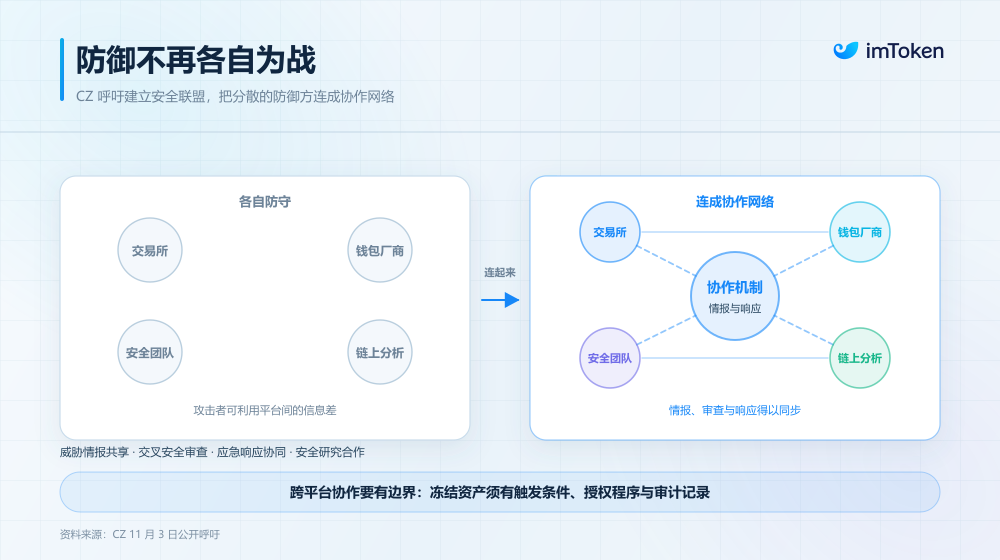
The source attributes to imToken a broader recommendation: separate permissions for reading information, building transactions, approving them and signing them, particularly when AI agents interact with wallets. Those are proposed design principles, not safeguards that every product already provides. Likewise, the article reports that South Korean regulators asked exchanges to consider increasing cold-wallet holdings after the Binance incident; it separately states that existing law required at least 80% of the economic value of user assets to be held in cold wallets.
A manageable holding habit is to treat key storage, recovery, transaction approval and device provenance as different checks. None substitutes for all the others.
Source: odaily.news (originally published 2026-11-13 19:55 UTC+8)